
Aug 4, 2026
Lessons from Japan's extreme heat and animal welfare
BigFamJapan blogged today about the heat-related deaths of three lions at Tama Zoo, and it's something that has been weighing on me for a few reasons. It's somewhere that I've taken my kids to several times when we lived in Tokyo, and I do think it's one of the better managed zoos here. Probably why it all felt so surprising.
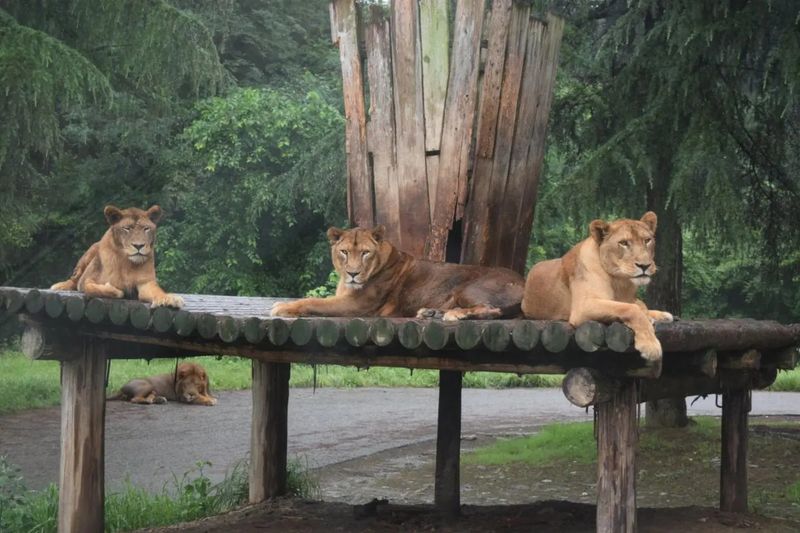
Picture above isn't at Tama Zoo, it's from a family trip to the Gunma Safari Park (and not in summer, thankfully!)
As someone from Australia, it also got me thinking about something I'd never really considered before, which is what does a zoo in my home country actually do when it gets dangerously hot?
Melbourne (the city where I grew up) certainly isn't immune to heat. They've had plenty of summer days where temperatures climb into the high 30s and beyond, so I went looking at what measures Melbourne Zoo and Zoos Victoria have in place to support animals when that's the case.
What I found was reassuring. Zoos Victoria says it has "robust and regularly reviewed protocols" for extreme weather, including measures to protect animals and even evacuate them in the most serious circumstances.
There are also some very specific examples of environmental control. Zoos Victoria has documented its use of heating, cooling, humidity control, and ventilation to maintain appropriate conditions for animals. At Melbourne Zoo, for example, pools for pygmy hippos and Brazilian tapirs are maintained at 22°C, and specialized systems help provide appropriate microclimates for reptiles and amphibians.
I also tried to do a bit of digging about Tama Zoo. It has some documented species-specific measures including shade, fans, water and additional sun protection for some heat-sensitive animals such as golden takin. Another source about macaws said they're brought inside when the temperature goes over 35°C, but that's still pretty hot (especially when you take into account the humidity) if you ask me.
It does seem like Tama Zoo was aware of the risks of extreme heat for some species, and had measures in place to deal with it. After what happened to the lions this summer though, it's very clear those measures aren't enough for every species as the summers here keep getting harder to handle. Hopefully, the deaths of these three lions won't be in vain, and it'll lead to a major rethink of how zoos prepare for extreme heat in the years ahead.


0 Comments