
Mar 4, 2026
Chiba Prefecture Charms - Ichikawa City's little Edo
Today, Ichikawa City's Gyotoku neighbourhood is a bedroom community for Tokyo commuters. An interesting feature of the area is that only 25 years ago, the Tozai Line of the Tokyo Metro connected it. This historic Ichikawa area was a getaway for Tokyo residents during the Edo and Meiji eras. Where were they going? Shinshoji Temple in modern Narita City. Before train lines, people crossed on ferries, and the area was a transit point for river trade. Because transit didn't arrive until 2000, Edo-era historical spots remain.
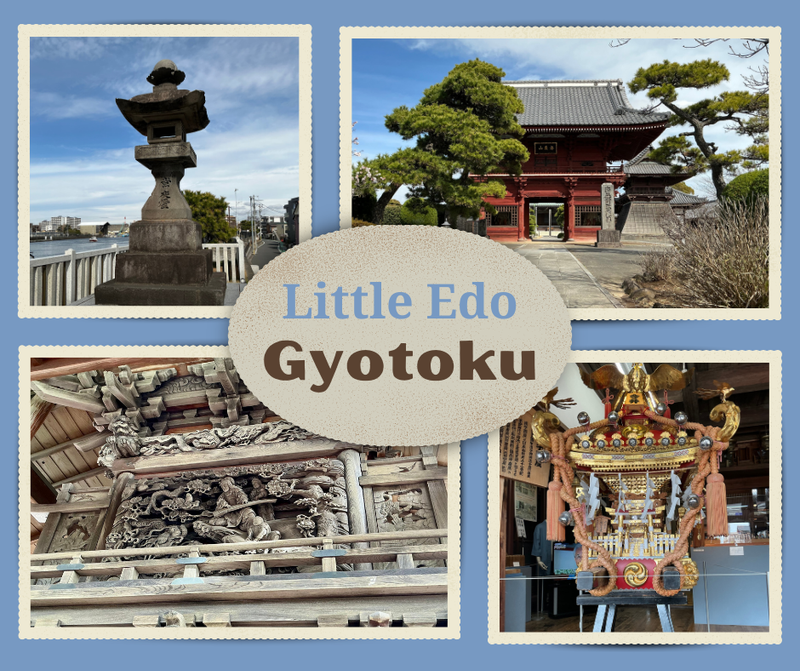
You can trace the steps of pilgrims of yore along Gongen Michi, a footpath that starts at Tokuganji. At this 400-year-old Jodo sect temple, founded by Tokugawa Ieyasu, are enticing features for history buffs and martial artists. The treasures are an image of Emma, the god of hell, and documents left by the martial master Miyamoto Musashi.
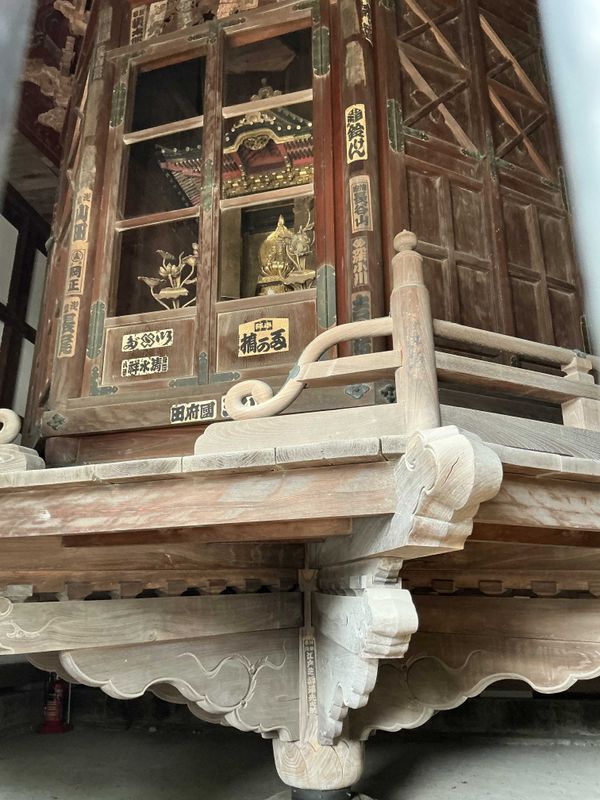
The rotating sutra repository at Tokuganji
Head west along the footpath and you'll encounter 行徳千軒寺百軒 Gyotoku Sengen tera hyaku-ken, Gyotoku 100 temples. Today, perhaps not 1000, but dozens of temples line the old pilgrimage path.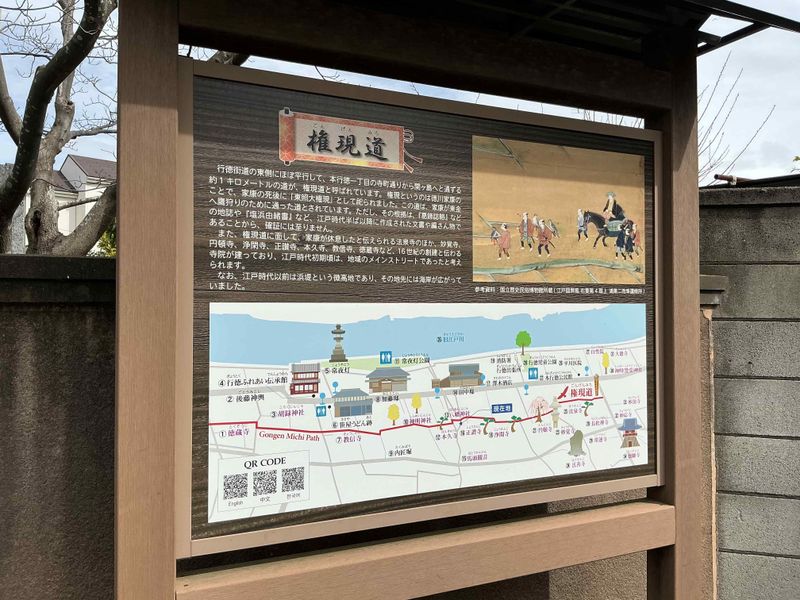
Gongen Michi wayfinding map
We wandered back and forth between the footpath and Gyotoku Kaido, taking a rest at the heritage building Denshokan for a snack and a history lesson about omikoshi at the Old Asako Mikoshi Shop on the other side of the Gyotoku Kaido. Gyotoku is known as a centre for omikoshi craftspeople.
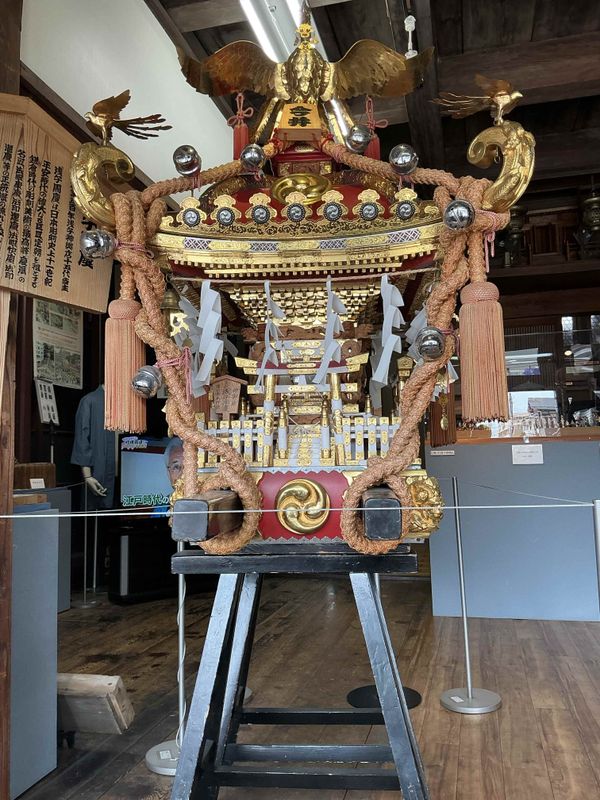
Friendly guides filled us in on the symbolism and history of omikoshi at the Old Asako Mikoshi Shop
The neighbourhood has dozens of shrines and temples, some impressive, others forlorn, but worth a gander if you're looking for an uncrowded place to soak up some Edo atmosphere right next to Tokyo. I've written a dozen reviews about Ichikawa City. I'm intrigued and intend to visit for a third time to see the neighbourhood decked out in autumn colours.
Have you discovered a "little Edo" spot that isn't widely covered by English-language media?


0 Comments