
Jun 11, 2026
Nyūbai, The Traditional Start of Japan’s Rainy Season
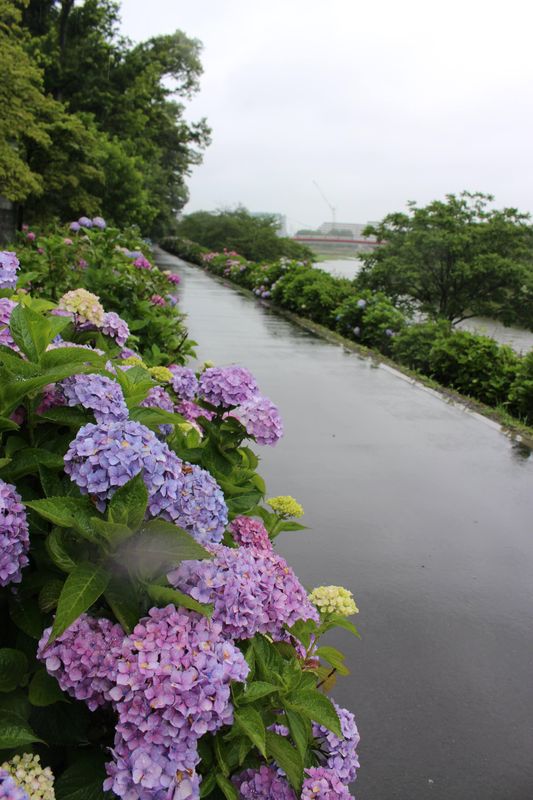
Nyūbai, written as 入梅, marks the traditional beginning of Japan’s rainy season. It usually falls around June 11th, the point when the sun reaches a longitude of 80 degrees according to the old lunisolar calendar. Although modern meteorology determines the actual start of the rainy season differently, Nyūbai has long served as a symbolic turning point in early summer.
Historically, this date mattered deeply to farmers. Before weather forecasting existed, the calendar’s guidance helped communities decide when to plant rice and prepare fields for weeks of steady rain. The name “Nyūbai” connects to the ripening of ume plums, which turn yellow just as the humid season begins.
Culturally, Nyūbai signals the arrival of hydrangeas, whose colors deepen in the moisture-rich air. Temples and gardens across Japan become seasonal destinations, drawing visitors who enjoy the soft, reflective atmosphere of early summer. The period also aligns with the start of ume‑based traditions, such as making homemade plum wine.

Former nickname was "Saitama". Changed it to save confusion on place review posts! Irish, 20+ years in Japan! I also write on my personal website: insaitama.com

0 Comments