
Oct 23, 2026
"Sōkō", Frost Descent Solar Term
Sōkō (霜降) is the eighteenth of the twenty-four solar terms in Japan. It usually falls from about October 23rd to November 6th, beginning when the sun reaches an ecliptic longitude of 210 degrees and ending when it reaches 225 degrees. The name literally means "Frost Descent," referring to the time of year when temperatures become cool enough for frost to begin forming on the ground and on plants during the night.
Sōkō marks the latter part of autumn, when the season's gradual cooling becomes more noticeable across much of Japan. While daytime temperatures can still be pleasant, mornings and evenings often feel distinctly chilly. The solar term bridges the gap between autumn and winter, bringing clearer skies, colder air, and some of the year's most vibrant seasonal scenery.
Historically, Sōkō signalled that the year's main harvest season was coming to an end. Farmers gathered late autumn crops and prepared fields for the colder months ahead. The arrival of frost was an important seasonal marker, particularly in regions where freezing temperatures could affect crops and signal that winter preparations should begin.
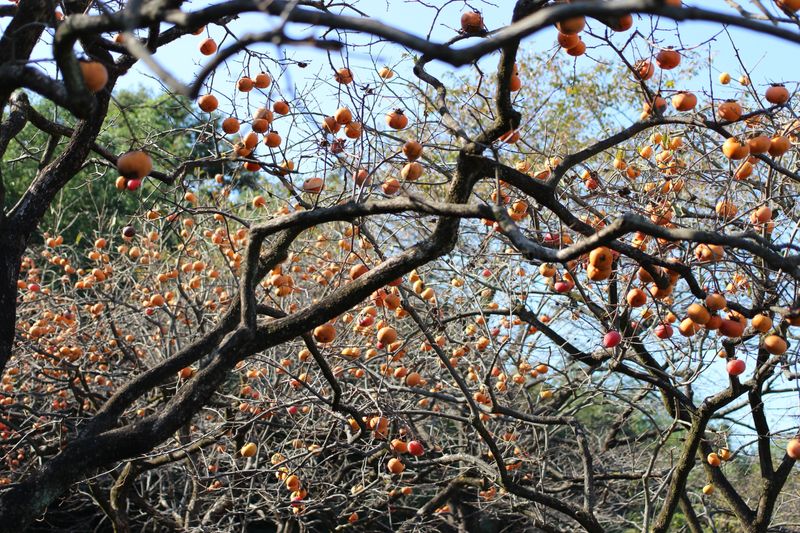
Today, the signs of Sōkō can be seen throughout the landscape. We begin to see more colored leaves on the trees. I am seeing persimmons (kaki) bright orange fruit, like little pumpkins, in abundance on the trees. They will be harvested in the coming days. Combined with crisp air and clear skies, these seasonal sights make Sōkō one of the most visually striking periods of the year.

Irish, Mom of 4, currently also living beside the In-Laws. 25+ years back and forth between Ireland and Japan! I also write on my personal website: insaitama.com

0 Comments