
Jul 23, 2026
Scalp health during summer in Japan
One thing I've noticed after living here for quite some time is that skincare is taken seriously, but scalp care rarely gets the same attention. We happily spend time and money on facial cleansers, moisturizers, and sunscreen, yet many of us stop at shampoo when it comes to our scalps. During Japan's summers, that might be worth rethinking!
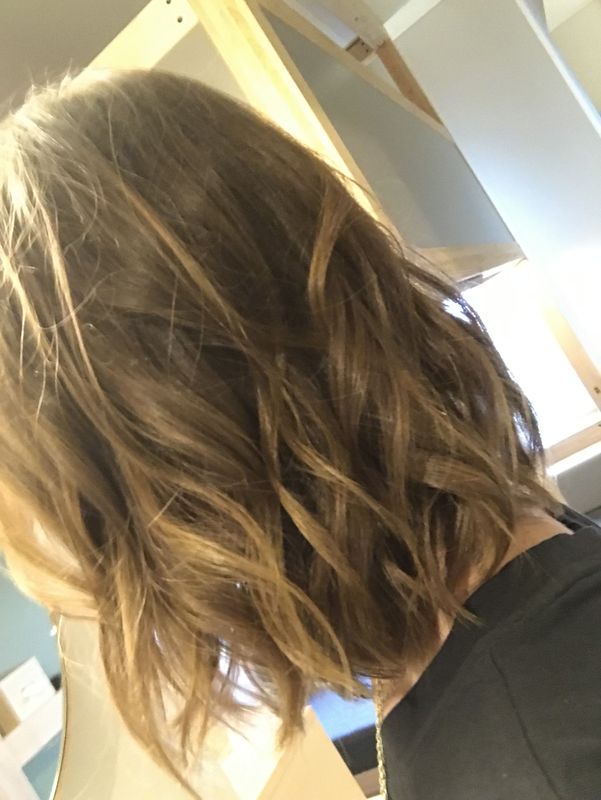
One of my favorite haircuts here, from Sinden in Tokyo!
A recent survey I read from Biotech Co., Ltd. found that more than 80% of women in Japan experienced summer scalp problems, including sweat, stickiness, itchiness, and unpleasant odors. However, most respondents said their routine went no further than washing their hair, while only around 13% used products specifically designed to care for the scalp.
The survey highlighted a growing beauty trend known as "skinification", which encourages treating your scalp as an extension of your skin rather than simply the place where your hair grows. Like the skin on your face, your scalp is exposed to UV rays, sweat, excess oil, and humidity, and all of those things can impact its health.
For expats in Japan, the climate makes this especially relevant. Even if you're used to hot summers back home, Japan's humidity can leave your scalp feeling damp for hours. Long hair, hats, and tying your hair up can trap even more heat and moisture, creating the perfect environment for irritation.
The good news is that looking after your scalp doesn't necessarily mean buying a shelf full of new products. Making sure your roots are completely dry after washing, avoiding overly aggressive scrubbing, and paying attention to changes like persistent itchiness or excess oil are all habits the research mentioned can help. If problems don't improve, it's worth speaking to a dermatologist or hair specialist.


0 Comments