
Jul 12, 2026
Tachibana Akira on Poor Japan, trapped in aging housing
My social media feeds get cluttered up fast with akiya influencers these days. I think I may have contributed to the chatter when I shared with you my experience of moving from a 1K as a single to occupying a 4LDK back in 2020. The houses I've lived in were 空き家, akiya, unoccupied older homes due to Japan's population aging and shrinking.
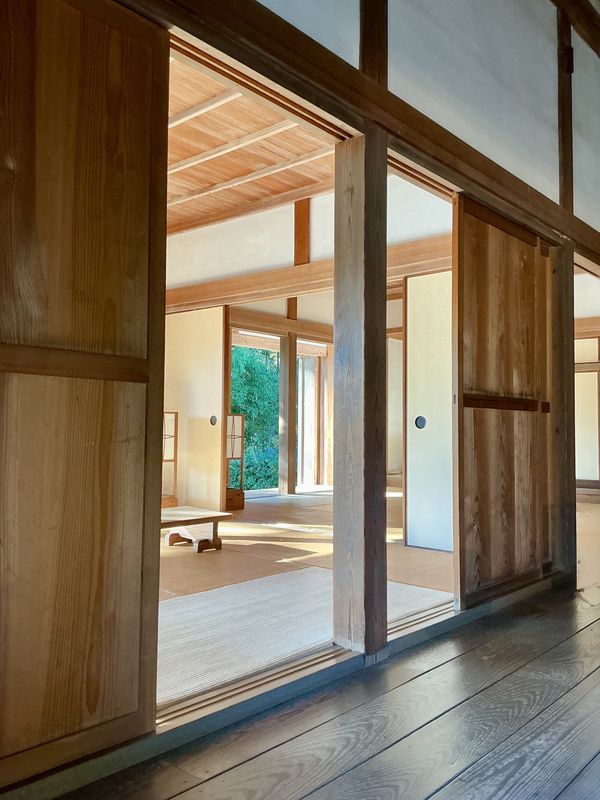
A reconstruction of a samurai house at Boso no Mura, Chiba Prefecture
My motivation to move into a rented akiya was economic and practical, of course. I anticipated aging house issues, but there were surprises. The first one was the pathetic, desiccated bat stuck to the ceiling when I viewed it. In the years that I lived in the house, I battled an ant army, invisible vermin (thanks to roomies who left food on the table), bats knocking about in the leaky roof, and hakubishin skulking in the crawlspace under the floor. It was a great learning experience, getting into the rhythm of living in a traditional house with fusuma and tatami. But I also knew that as a renter, I could pack up and go.
But not so fast, elderly Japanese families who locked in decades ago. President Online features excerpts from Poor Japan, a book by Tachibana Akira, author and commentator on economics. In the excerpts, Tachibana contrasts the situations of wealth inequality in the West and in Japan. The article has an overview of how wealth inequality stayed stable in most countries, but widened in the US.
And then he turns to Japan, the economic outlier. The thesis is that mature homeowners are stuck with worthless housing. The lack of interest in older housing stock thwarts selling, making them prisoners in their own homes. Even if they can offload their homes, the turnover doesn't result in enough capital to fund the next home purchase.
It makes me wonder what will happen in the long run, the few elderly people who can sell to foreign buyers, and the outlook for those new homeowners.
I've considered buying but held off. Renting is still economical and allows me flexibility to pick up sticks.
Would you buy? What do you see as the pros and cons for non-Japanese homeowners?


1 Comment
BigfamJapan
9 hours ago
We bought our house knowing that, unlike in my home country, the real investment in Japan isn’t the building - it’s the land. We’ve been very fortunate, because land values in our area have at least tripled since our purchase.