
Jan 20, 2020
From a 1K for a Single to 4LDK for a Family
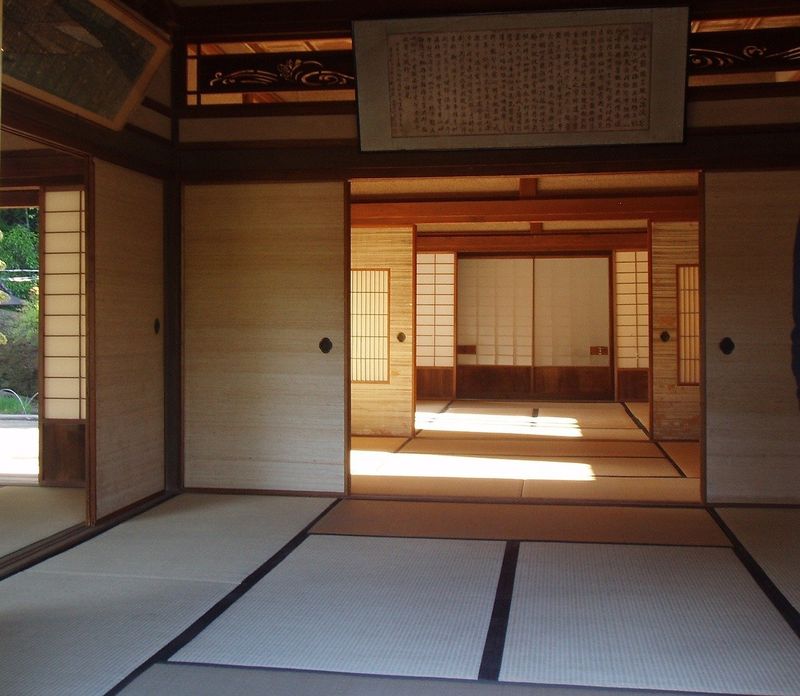
Image by AGP
Over the last two decades, my home life has changed, and I’ve gradually moved from a tiny space in a 1K to a 4LDK house suitable for a family. These spaces were great for me at each stage.
Here's a brief summary of the kinds of spaces you find in residential buildings and houses in Japan.
| 1R | studio/ one room apartment |
| 1K | one room and kitchen |
| 2LDK | two rooms and living room, dining space and kitchen |
| SLDK | storage space, living room, dining space and kitchen |
| Loft | usually a half height space for a futon |
My first apartment in Chiba City was a tiny 1K apartment with a loft that barely accommodated a single futon. It was cheap at under 40,000 yen a month, managed by a company that provided economical small apartments to foreign residents. I got along fine in that tight space as a single person. But gradually, I acquired stuff, friends, and a partner.
I started a job in a new location, and seeking a newer, bigger place I moved to a relatively new 1K and loft apartment in another city in Chiba Prefecture, within easy walk of the train station and shopping. The rent was about 60,000 yen a month. This space was small, too, a six mat room (about 10 square meters) made more spacious by a loft and vaulted ceiling. The galley kitchen was big enough to cook dinner for two, and I hosted guests. My partner visited me on weekends, so it didn’t feel too tight. But to my surprise, within the first week there, I came to understand that my neighbors were a family of three. If you chose a cheap, busy neighborhood, you may find families squeezing into the same floor plan you are.
Another consideration about apartments, depending on the landlord, is lease renewals. This is what drove me out of that loft apartment. When the lease came up, the housing agency sent me a whopping 200,000 yen renewal bill, and I realized that the costs of moving were about the same. My real estate agent suggested an older 4LDK in a quiet neighborhood. Older houses tend to have lower rents, and I was pleased to learn that the new place would be about 60,000 yen a month.
The house I settled in was at the end of its life – over 40 years old, never updated, and with decrepit but working air conditioners. The house was attractive because it had a big kitchen, tatami mats throughout, fusuma doors and shoji screens. It also had a garden and a big veranda.
These older spaces are economical but there are issues to consider if you have children, pets and a busy lifestyle. For example, shoji are easily damaged by curious kids and energetic pets. You can repair them with scrap paper patches or 100 yen shop stickers, but they can get ratty looking quickly. For people who want privacy and need to sleep late shutters are great, but in a storm, they can rattle enough to disturb your sleep. I stuffed newspaper into the gap between the windows and shutters to reduce the noise. I enjoy living on tatami mats, and while they are durable, they can wear quickly. You may want to cover them with rugs if you have kids, pets, and clumsy roommates.
Older houses have their good points, too. I could push aside the fusuma between two rooms to create a huge space to serve dinner for ten. In summer heat, huge windows in all rooms, draped with bamboo blinds, admitted breezes. The floor to ceiling oshiire were great for storing futon sets, out of season and hobby stuff. I kept a herb and vegetable patch, which offset food costs, and I could compost organic kitchen waste.
The Tokyo area population continues to grow, and housing companies heavily market new buildings. The older housing stock is given a miss by young families who prefer more modern interiors and buildings which meet changing laws and standards. The result is older housing, especially detached houses with gardens, lie vacant, and those have cheap rents. If you are willing to compromise on modernity, you can easily find an older house to make your home.


0 Comments