
Dec 26, 2019
Explore Tokyo's neighbor the former Higashi Katsushika District
Higashi Katsushika
Visitors and new residents in Japan may not be aware that in 2005, many cities, towns and districts in Japan merged, and place names disappeared or altered. One such former district, Higashi Katsushika, covered much of the north-western part of Chiba Prefecture. For residents of the Kanto area who want to get away from the crowds as visitors pour in for the 2020 Tokyo Olympics, this former district is a respite from heat and crowds where you can see places of historical and cultural interest. Here are four of the cities in the region.
Matsudo City
Matsudo City is the first city you encounter when you travel east outside Tokyo on the Joban line. The city boasts a number of modern and historical sights.
In the center of the city, you will see many murals, some in tile, and others appearing more like graffiti art. These are the fruits of Paradise Air, a program that brings artists from around the world to work in the city’s studio and share their work with the city.

Spot Matsudo’s murals
Besides this modern street vibe, Matsudo City preserves Tojo-tei, the mansion of would-be shogun Tokugawa Akitake. After the Meiji Restoration, Akitake was out of a job, and settled on creating this elegant house with its hybrid English and Japanese garden for his family. The architecture, dating from the 1880s, displays the best craftsmanship of the era.
The city also has two locations that reveal a prosperous and dynamic time in Japanese history, the Showa Period. Near Higashi-Matsudo Station is Showa no Mori Museum, privately owned, and crammed with all kinds of vehicles from trains to planes to cars that date from the Showa Period. Also in the museum are household items that show how people lived in this period.
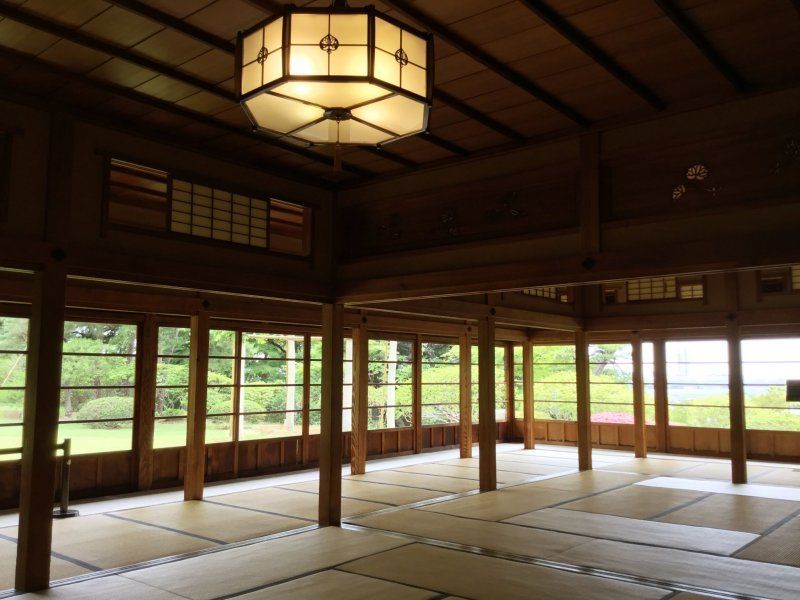
Tojo-Tei refinement
Kashiwa City
The vibrant city center of Kashiwa City, centered around Kashiwa Station on the Joban train line, belies its natural and historical treasures. To start your visit, drop by Kamon, the Kashiwa Information Center. Kamon is a play on words, meaning both the gate to Kashiwa, and “Come on!” Here you can learn about Urakashi, the back streets of Kashiwa’s city center with its many retail shops, izakaya, and cafes. The density of the shops means you can taste or imbibe a little here and there. Every year, Kashiwa’s eateries host an event every September called “Yuruberuto”, meaning loosen your belt. Buy a pack of tickets at Kamon, and cruise around the town enjoying tasters of cuisine at the participating eateries.
But I told you there is nature and history here that are seldom crowded. Beat the summer heat by renting a bicycle and tour around Teganuma, one of the Kanto region’s largest bodies of fresh water lying between Kashiwa and neighboring Abiko City. It’s got kilometers of cycling and walking paths that lead visitors to Shonan Michi no Eki for fresh local produce, fruit farms where you can pick your own, and prime bird watching.
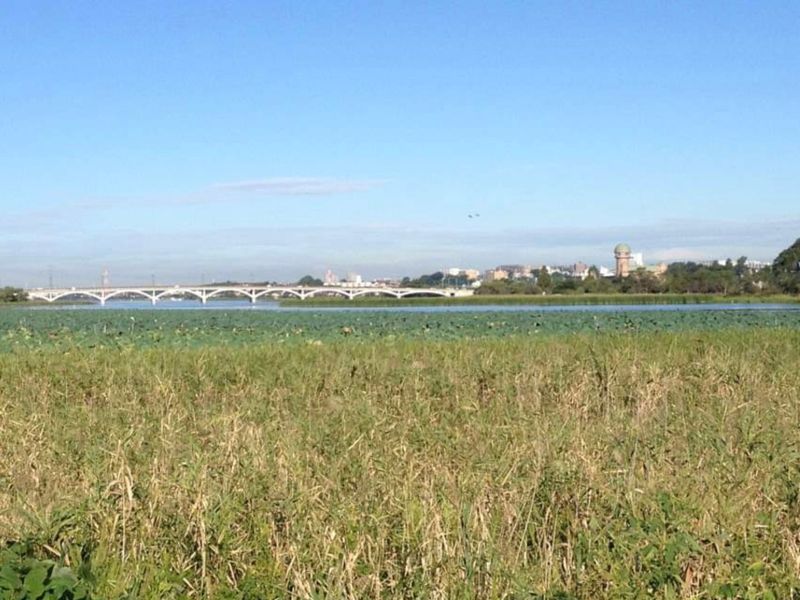
Teganuma’s wide open spaces
Further north is Akebonoyama Farm Park overlooking the Tone River. In every season, the park puts on a massive display of flowers in the fields surrounding a windmill. Nearby is Nihon Teien, an elegant tea garden with ponds full of koi and carp. Akebonoyama has a grove of ancient cherry trees that are celebrated with parties and food stalls.
The highlight of the area is Fuse Benten, one of the Kanto regions three famous Benzaiten temples. This one, said to have been founded by Kukai over 1200 years ago, has elaborate decorations and carvings that evoke the flow and flowers with which the goddess Benzaiten is associated.
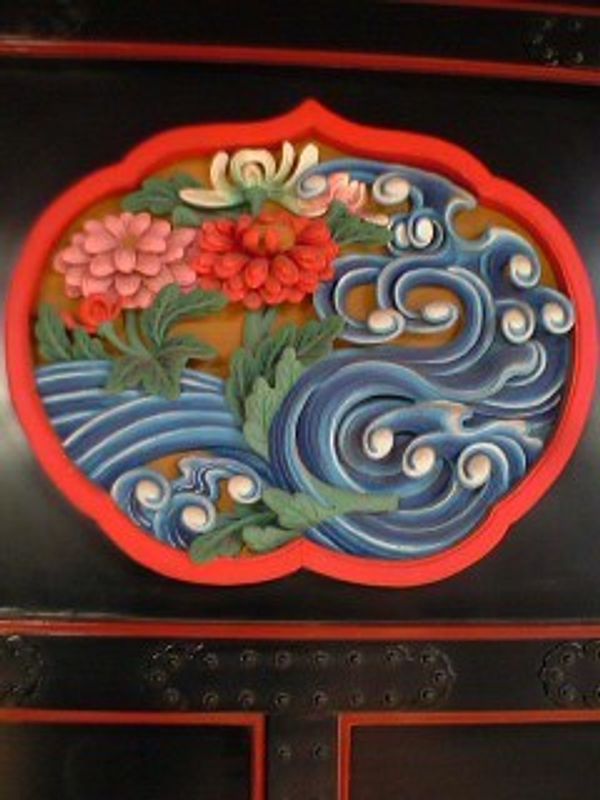
Fuse Benten adornment
Nagareyama City
This city has been booming since the opening of the Tsukuba Express train which carries commuters from Akihabara to Tsukuba, and has a few stops in Nagareyama. Around the stations of the Tsukuba Express, the landscape is thoroughly modern with glass and concrete buildings dominating. But the old town is centered around Nagareyama Station on the Ryutetsu Line.
This train line is a throwback to the old days. You won’t find automated ticket gates on the line. Riders buy paper tickets for the line that stops at each station, starting at Koya Station. The train departures are announced by bells rather than jingles as are common on many train lines in the greater Tokyo area. You’ll also hear the conductors call out to passengers. Hop on, enjoy the vintage train cars, and at your destination, hand your ticket to the station attendant. On one visit, I noticed how the train staff go out of their way to serve the riders. An elderly man dashed to the station, called out to ask the conductor to wait, and the driver nodded and delayed the train. Train staff pull out the Na no Hana train cars and park them in front of Machimin, the rest station and visitor information center attached to Nagareyama Station, right in front of the round window so that visitors can take photos. It’s an intimate experience riding this well-loved train line.
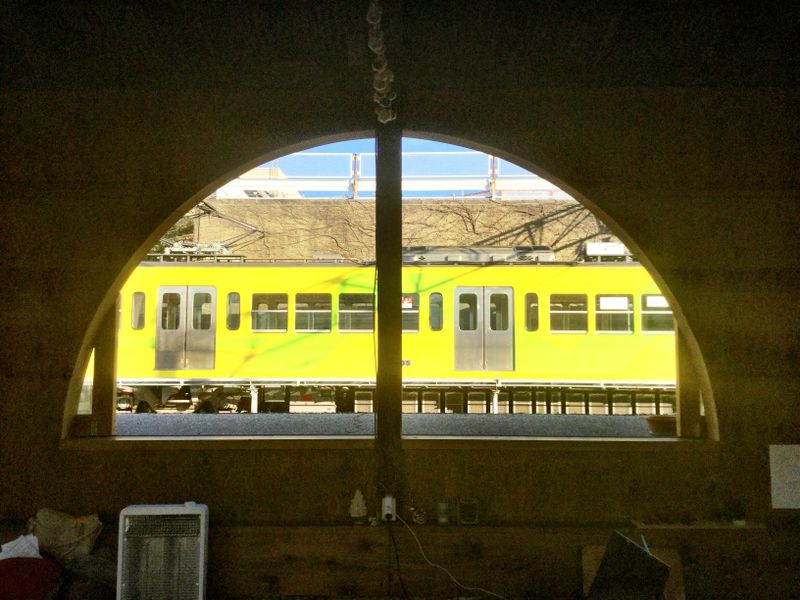
Ryutetsu view from Machimin
When you get off at Nagareyama Station, walk west where you will find Honcho, the old town center. Along the streets of Honcho are kirie andon, lanterns decorated with cut paper scenes of Nagareyama heritage and commerce. Many of these lanterns are in front of heritage buildings that house shops. You’ll also find some restaurants and cafes, too.
It’s easy to find your way as there are many street signs in English and Japanese directing visitors to places of interest. At the southern end of the walk is Issa Soju Memorial Hall, the tea house and karasansui dry landscape garden on which haiku poet Kobayashi Issa gazed on with his friend, a mirin brewer. Visitors can compose haiku and enjoy a cup of tea and sweets while appreciating seasonal displays and the elegant tea rooms.
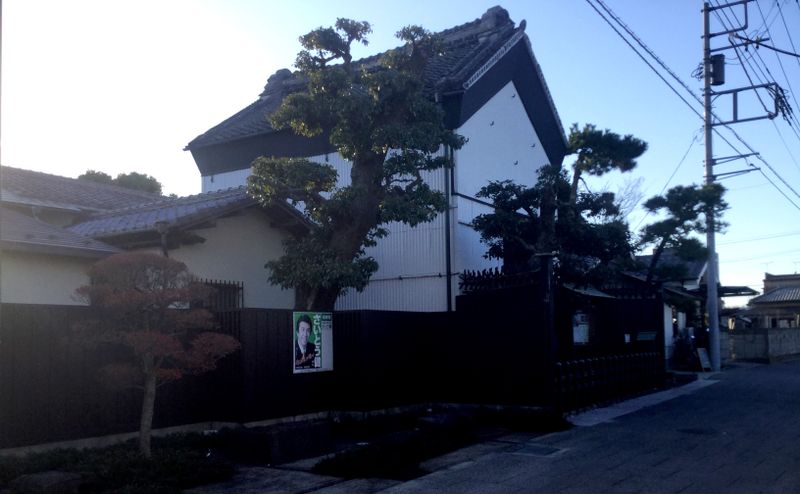
Shinsengumi heritage
Across the street from Issa Soju Memorial Hall is another of the city’s heritage spots, Mori no Atelier Reimei. This home was the studio of the painter Sasaoka Ryoichi, and donated by his family to the city. Today, it is a gallery for local exhibits, and facing the lush garden is a café that serves tea and light meals.
Noda City
“Soy Sauce City”, home to the Kikkoman Corporation, is a great leisure destination for travelers who want to see natural beauty and antique architecture. Near Nodashi Station on the Tobu Urban Park Line is the Noda City Museum. The museum admission is free, and any time of year you may find exhibits of the city’s antique objects such as shrine statuary and swords, or handicrafts made by local artists. Also at the museum is the former Mogi Residence, an elegant house built in 1924 by a soy sauce merchant family. The house has become a popular backdrop for cosplayers since it was featured in television commercials. The garden with its karasansui dry landscape garden, huge stone lantern, mature trees, and tea house are photogenic.
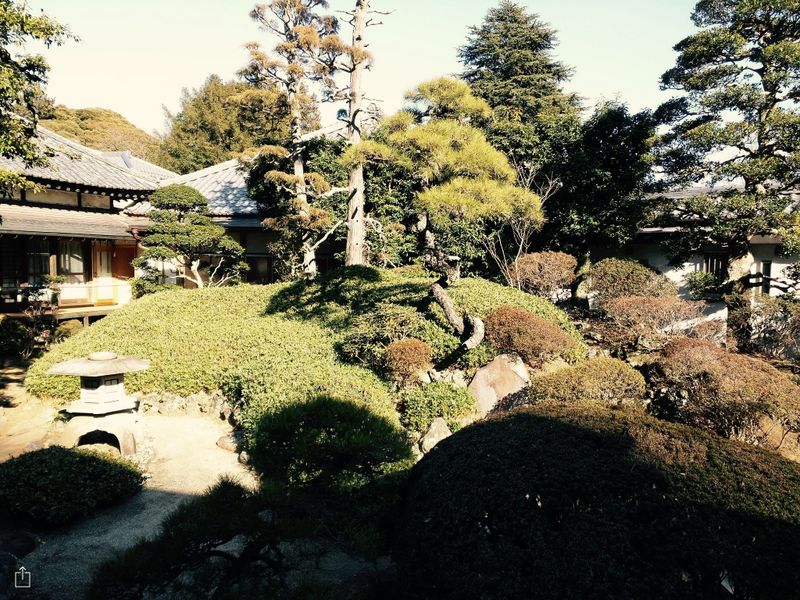
The garden at the old Mogi House
Further up the train line is Shimizu Park. The park is a delight year round. At Konjoin Temple, the center of the park, visitors can participate in the gomataki fire ritual held monthly. From February to May, the surrounding park has a succession of spectacular blooms, starting with the fragrant plum grove, then cherry blossoms near the temple gate, and finally with a profusion of azalea blossoms covering the hillsides.
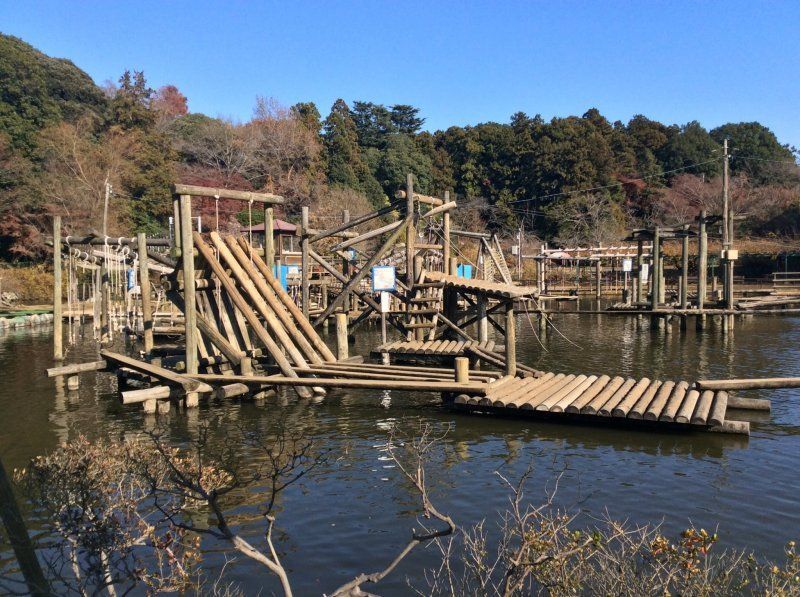
Field Athletics course
This is a great spot in autumn, too, with spidery higanbana, the heady perfume of giant kinmokusei olive trees, and a spectacular display of maples. The park has something for everyone. The largest field athletics course in Japan has easy obstacles for small children, rope bridges and a flying squirrel over the pond to challenge agility. Nearby are a petting zoo, pony rides, water park, and Flower Fantasia botanical garden.
In autumn 2020, Kikkoman Factory Museum will reopen. In the self-guided tour of the museum, labeled in English and Japanese, you can see, smell, and even touch the process of soy sauce making.


0 Comments