
Jun 8, 2020
Ministry-issued guidelines for heat stroke prevention, wearing face masks during corona era
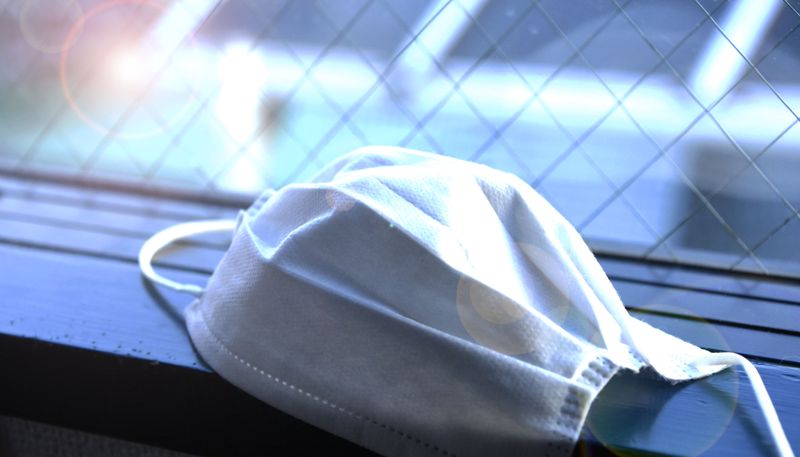
While the wearing of face masks is seen as one of the pillars of coronavirus prevention for authorities and experts in Japan, concern has been growing about an increased threat of heat-related illness posed by the wearing of masks as summer nears.
Japan is no stranger to stifling summers with temperatures sometimes topping 40C in some cities and thousands of people taken to hospitals with heat-related conditions each week during the season’s peak.
The challenge facing authorities and medical institutions in Japan for summer in 2020 had largely been focused on getting fans and athletes safely through any stifling temperatures that might have accompanied the Summer Games.
With the coronavirus pandemic seeing the sporting extravaganza put on hold though, attention has now turned towards how the prevention of heat exhaustion can coexist with the “new lifestyle” of the corona era. The use of face masks is encouraged as a key part of the new lifestyle to keep the coronavirus in check, however, authorities in Japan recognize that masks can lead to an increased heart and respiration rate, as well as an increase in body temperature.
On May 26, the day after Japan declared an end to its coronavirus emergency, the Ministry of Health, Labor, and Welfare published a set of guidelines advising people on both the prevention of heat exhaustion and any further outbreak or spread of the novel coronavirus, with the ministry urging greater care toward heat-related illness than ever before.
According to the guidelines, as a heat exhaustion prevention measure, face masks can be removed if a sufficient distance (2 meters or more) from people outdoors can be secured.
The ministry published a pamphlet for the distribution of the guidelines. The pamphlet entitled, “Points of heat stroke prevention in accordance with the ‘new lifestyle,’” is in Japanese. Below is our own translation of the points detailed.
Avoid the heat
- Adjust room temperature with the use of air conditioning units etc
- To prevent infectious diseases, adjust the temperature setting of the air conditioner while ensuring ventilation of the space by opening ventilation fans, windows etc
- Don’t overdo it on hot days and during peak hours of heat
- Wear cooling clothes
- Be especially careful on days when temperatures suddenly rise
Appropriate removal of masks
- Be careful while wearing a mask in high temperatures and humidity
- If sufficient distance (2 meters or more) from people outdoors can be secured, remove the mask
- When wearing a mask, avoid stressful work or exercise, keep a sufficient distance from people around you, and remove the mask as needed to take a break
Frequent hydration
- Rehydrate before getting thirsty
- As a guide take in 1 or 2 liters of water a day
- When sweating a lot pay attention to deplenished salts
Regular management of health
- Temperature measurement and health check daily
- If feeling unwell, don't overdo it and rest at home
Building a body for the heat
- Moderate exercise from when hot season starts
- Don’t forget to hydrate, within reasonable limits
- Exercise for 30 mins each day in a fairly hot environment to a fair amount of exertion
The pamphlet urges extra vigilance for the elderly, children, and people with disabilities who are more prone to heat stroke.
In a single week during the peak of the summer in Japan last year over 18,000 people were rushed to hospitals across the country with heat-related conditions. With the mercury having already neared 34C for some cities in central Japan as early as mid-May this year authorities and health experts are wary of summer placing an increased burden on medical services and personnel that have already been stretched in the battle against the new coronavirus.
“In addition, if the demand on emergency medical transportation and medical institutions increases as a result of heat stroke, the burden on medical institutions dealing with the new coronavirus infection will also increase. As such more thorough prevention of heat stroke will be required,” reads a statement as part of the guidelines from the Ministry of Health, Labor, and Welfare.
According to figures published by the Ministry of Internal Affairs and Communications over 70,000 medical transport personnel across Japan were deployed in response to people with heat-related conditions alone between May and September in 2019.
While many of the heat exhaustion and coronavirus countermeasures published by the ministry will likely appear as common sense for many, confusion might arise when it comes to the use of face masks while playing sports and pursuing outdoor activities.
Following the lifting of the coronavirus emergency mountain and climbing associations in Japan released their own guidelines for mountain users to follow. Among them, climbers are encouraged to wear face masks. Some local governments in regions of Japan where mountain pursuits are popular have also encouraged mountain users to do likewise in their own sets of guidelines.
The Japan Sports Agency, in its own guidelines for playing sport in the coronavirus era, addresses the issue of face masks. While recognizing the use of the masks as one of three core coronavirus prevention measures (along with maintaining social distance and the regular washing of hands) the agency warns that exercising or playing sports while wearing a mask may cause people to forget to hydrate and make it difficult for them to lower their body temperature. The agency also warns of face masks encouraging a greater intensity of exercise. If the feeling of suffocation arises during exercise, removing the face mask / taking a break immediately is advised.
In the meantime, companies and manufacturers in Japan are scrambling to bring cooler, drier face masks to the market in time for summer. Sports equipment maker Yonex. Co. plans to sell masks made with a material containing xylitol, according to Kyodo New Plus. Less advanced ideas, though perhaps no less innovative, have seen cloth masks cooled and sold in vending machines in some parts of the country.
How do you feel about the prospect of wearing a face mask during Japan's summer? Let us know in the comments.
Related ...
Videos
"COCOA: Japan's COVID-19 contact-tracing app"
Subscribe to the City-Cost YouTube channel here
Share your thoughts and concerns on life in Japan during the coronavirus pandemic with other foreigners living in Japan on City-Cost:


0 Comments