
Oct 9, 2026
The Usefulness of Subtitles and Captions on TV in Japan
Today, and every year on October 9th, Japan observes Subtitling Awareness Day 字幕普及の日, an anniversary established by the Okayama Association for the Hard of Hearing. The date was chosen as a play on the date and the reading of October 9th, 10/9, "ji (1) ma (o) ku (9)", the Japanese for subtitles.
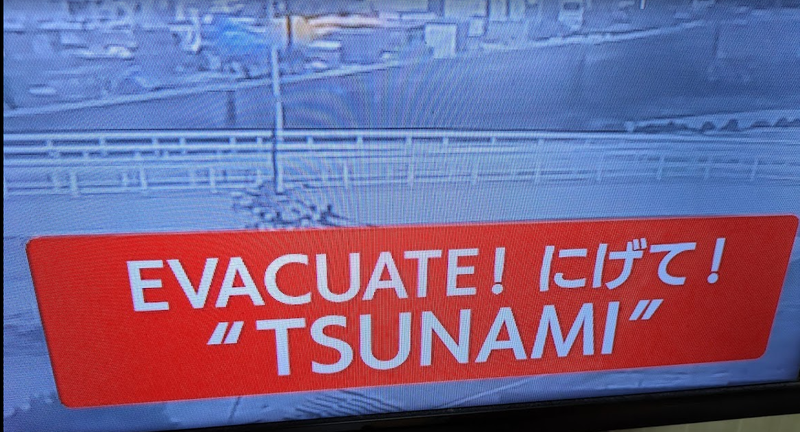
While subtitles are often discussed in terms of accessibility for people who are deaf or hard of hearing, they can also play an important role during emergencies. For foreign residents and visitors to Japan, spoken announcements on television can sometimes be difficult to follow, especially when information is being delivered quickly during a natural disaster or severe weather event. Clear on-screen text can make important instructions easier to understand, helping viewers grasp key details such as evacuation orders, affected areas, and safety advice.
One thing I have always appreciated about Japanese television is the frequent use of on-screen captions. While they are often added for emphasis or entertainment, they can also make programmes much easier to follow. Seeing a word written on screen can help confirm what I thought I heard, introduce me to new vocabulary, or make it easier to understand a conversation that might otherwise have moved too quickly.
During emergencies, however, subtitles and captions can become far more than a learning aid. Whether the screen is displaying warnings about heavy rain, typhoons, earthquakes, or tsunamis, the ability to read critical information can make a real difference, particularly for those who may struggle to catch every spoken word in Japanese.

Irish, Mom of 4, currently also living beside the In-Laws. 25+ years back and forth between Ireland and Japan! I also write on my personal website: insaitama.com

0 Comments