
Feb 6, 2026
The significance of nori in Japan
Nori isn’t just a food in Japan, it’s woven into Japanese identity, cuisine, and history. Even overseas, the identity of "nori" is so strong, that it is now an accepted loanword from Japanese in the English dictionary. Typically defined as a "dried edible seaweed used in Japanese cuisine". Why is "nori" so significant in Japan? Here are some of the reasons:
1. A staple since ancient times
Nori is one of Japan’s oldest recorded foods. Its appearance in the Taihō Code shows that it was valuable enough to be used as tax payment, placing it alongside rice and other essential goods.
2. Essential to everyday cuisine
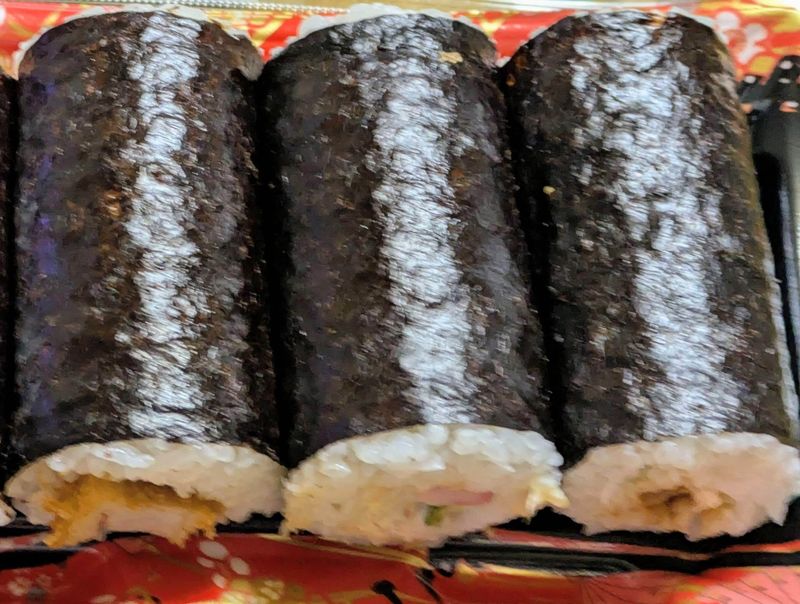
Nori is everywhere in Japanese food culture. For example, it is an important ingredient of onigiri, sushi rolls, ochazuke, furikake, and senbei, to name but a few.
It’s one of the most recognizable flavors of Japan, both domestically and abroad.
3. A symbol of Edo‑period innovation
The technique for making sheet nori (板海苔) was inspired by washi papermaking. This Edo‑period innovation transformed nori from a loose seaweed into the iconic sheets we know today.
4. Nutritional powerhouse
Japanese families often think of nori as a “healthy everyday food.” It’s rich in protein, minerals, vitamins, dietary fiber and omega‑3 fatty acids. This makes it a natural fit for school lunches, bento boxes, and home cooking.
Do you eat / use nori a lot? What do you use it for most often?

Former nickname was "Saitama". Changed it to save confusion on place review posts! Irish, 20+ years in Japan! I also write on my personal website: insaitama.com

0 Comments