
Nov 7, 2026
Microseason: Maple Leaves and Ivy Turn Yellow
Momiji Tsuta Kibamu 楓蔦黄, meaning "maple leaves and ivy turn yellow," is the final microseason of Soko (Frost Descent), one of Japan's 24 solar terms. On average it is on from around November 2nd to November 6th, but in 2026 it started on November 1st and finished on November 6th. It marks the point when autumn colors deepen across the landscape.
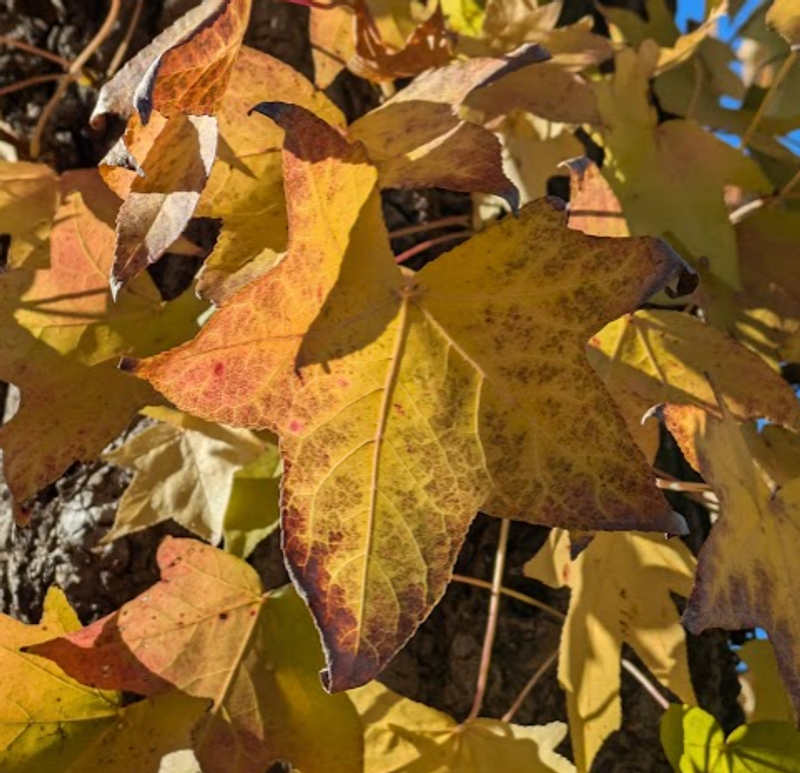
The name refers to the changing colours of both maple leaves and ivy. While many people associate Japan's autumn foliage with brilliant reds, this microseason focuses on the yellowing leaves that appear as chlorophyll breaks down and other pigments become visible. The character momiji (楓) originally referred to maples, while tsuta (蔦) means ivy.
Historically, this was an important time in the agricultural calendar. By early November, rice harvesting was largely complete and farmers turned their attention to storing crops and preparing fields for the colder months ahead. The arrival of cooler nights and occasional frost signaled that the year's busiest agricultural period was drawing to a close. Communities could finally begin looking ahead to winter and giving thanks for the autumn harvest.
This agricultural heritage can still be seen today in the many festivals and ceremonies held across Japan in November, several of which have their roots in expressing gratitude for a successful harvest. At the same time, Momiji Tsuta Kibamu is one of the year's most visually striking microseasons, with autumn colors brightening parks, mountains and gardens throughout the country. Seasonal vegetables, persimmons and other autumn produce are also plentiful at this time of year.

Irish, Mom of 4, currently also living beside the In-Laws. 25+ years back and forth between Ireland and Japan! I also write on my personal website: insaitama.com

0 Comments