
Aug 4, 2026
The History of Disposable Chopsticks in Japan
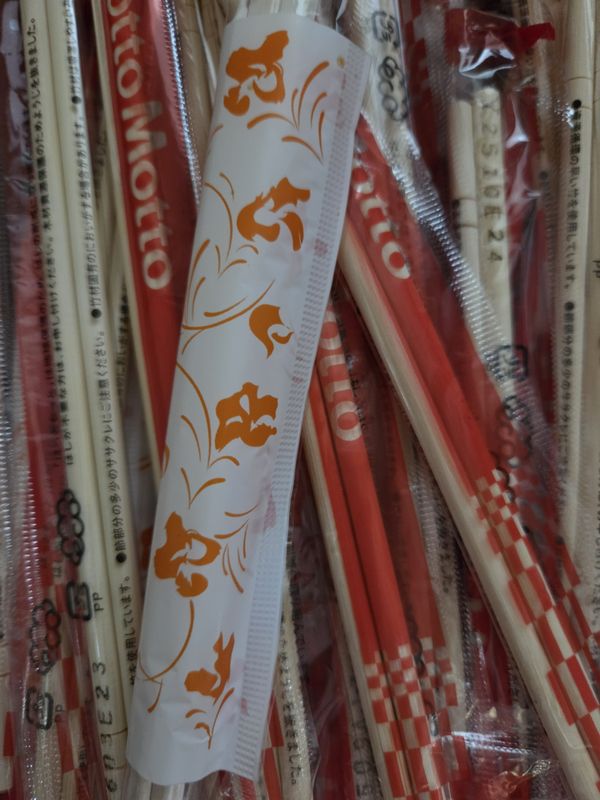
Disposable chopsticks, or waribashi, are (regrettably) such a normal part of daily life in Japan. Their use grew rapidly after World War II, when restaurants and food stalls needed a cheap, hygienic option for the growing number of customers. Made mostly from leftover wood produced during lumber processing, waribashi were originally seen as a practical way to reduce waste.
The irony is not lost that nowadays they are a one of the most debated environmental issues. Many businesses have had to rethink their reliance on disposables. Some restaurants now offer reusable chopsticks, while others use waribashi made from sustainable materials like bamboo. Even so, disposable chopsticks remain part of everyday life, balancing tradition, practicality, and ongoing conversations about sustainability.
By the 1970s, disposable chopsticks had become so common that the industry helped establish Chopsticks Day as a way to encourage proper use and appreciation. At the time, waribashi symbolized convenience and modern dining, fitting neatly into Japan’s fast‑paced urban lifestyle. They might have a long history, but they shouldn't have a long future in my humble opinion.

Former nickname was "Saitama". Changed it to save confusion on place review posts! Irish, 20+ years in Japan! I also write on my personal website: insaitama.com

0 Comments