
Apr 2, 2024
The problem with 2024 is, house moving refugees?
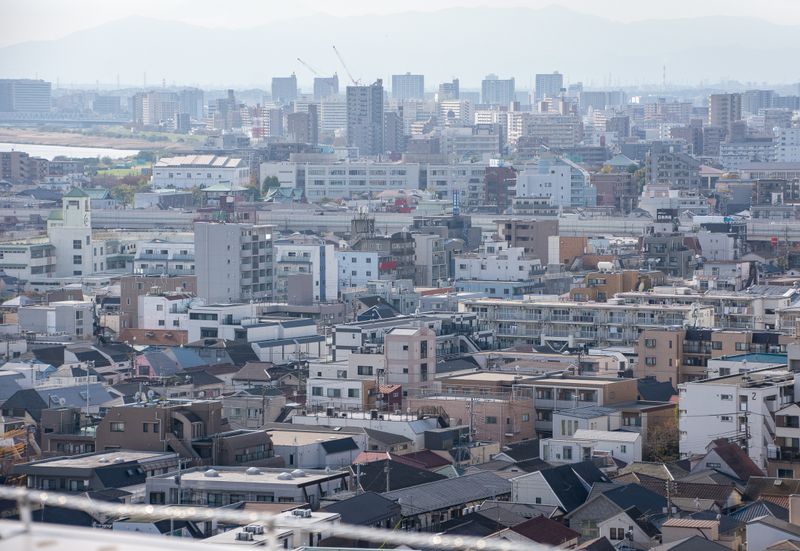
A cap on annual overtime for Japan’s truck drivers which came into effect on Monday has sparked fears in the house moving and real estate industries that it could lead to an increase in “house moving refugees.”
Hikkoshi nanmin (引越し難民) - house moving refugees. The term could be a little misleading, perhaps conjuring up images of an unfortunate house mover sitting curbside surrounded by their futon and furnishings caught between a place they’ve just vacated and one they’re trying to move into but can’t.
The term actually refers to people who want to move house but can’t (or can’t bear to deal with) the high moving costs of the busy March-April moving season, the lack of available moving services, and other logistical hurdles that often come with putting together a house move.
And, for renters in Japan, this goes on top of the often eye-watering sums of money that can be demanded upfront by landlords before the movers can even be called in.
Those foreign residents of Japan who have been refused a foot in the door of a vacant property on accounts of not being Japanese may already be familiar with the concept, even if they weren’t aware of the term.
Under a law intended to bring about workstyle reforms truck, taxi and bus drivers in Japan now have their overtime capped at 960 hours a year. Along with Japan’s labor shortage, the challenge that this further reduction in human resource hours could present to the logistics of getting things and people from A to B has adopted the moniker the “2024 problem.” House movers and house-moving services are likely to be affected.
According to a survey carried out by house moving support website Hikkoshi Samurai (引越し侍) targeting moving services in Japan, 80 percent of respondents said their services would be affected by the cap in hours. A reduction in the number of moves that can be handled followed by a decrease in available human resources were expected to be the main effects.
Of those companies which said that they were implementing measures to deal with the shortfall in working hours, efforts to improve in-house efficiency accounted for the largest number of responses followed by an increase of service fees.
Fees for moving services in Japan have already been increasing in recent years and some of the moving services surveyed predicted they could increase further, in most cases going up 10 percent.
Average fees in February this year, before the cap came into effect for many services, were around 70,000 yen for a single person and 120,000 yen for a family, according to Hikkoshi Samurai.
For further reference we (a family two) moved house in May 2023. We hired a moving service offering a single, small truck and around 20 boxes. The location was from one Kanto suburb to another, around a 50-minute drive. We opted to make some savings by selecting the option of not being able to designate a time for the movers to arrive. The fee was just under 70,000 yen.
An increase in moving fees together with a reduced capacity to offer moving services could lead to an increased number of so-called house-moving refugees during the peak moving season in 2025 then, unless Japan’s labor shortages can be addressed.
“The cap on hours was supposed to improve the environment for workers. However, since many people in the transportation and logistics industry want to work long hours in order to earn high wages, this regulation has resulted in an increase in the number of drivers leaving their jobs due to reduced income, resulting in staff shortages and higher rates,” Hikkoshi Samurai editors commented.
“We believe that our role is to help strike a balance between a price that is acceptable to moving service users and a price that is fair to the moving business and its staff.”
Given the costs involved, moving house has never been something to take lightly in Japan. Those planning a move in the next year or so may need to pay extra attention to the logistics as well, or think about staying put?
Related


0 Comments