
Oct 7, 2026
"Kanro," Cold Dew Solar Term
Kanro (寒露) is the seventeenth of the twenty-four solar terms in Japan. It usually falls from about October 8th to October 22nd, beginning when the sun reaches an ecliptic longitude of 195 degrees and ending when it reaches 210 degrees. The name literally means "Cold Dew", referring to the dew that forms on plants during increasingly cool autumn mornings.
According to the traditional calendar, Kanro marks a period when autumn deepens and the signs of the coming winter become more noticeable. The name Kanro comes from the colder temperatures experienced during this time of year. Overnight dew has long been used as a seasonal indicator, and by early October the droplets that gather on grasses, leaves, and crops remain cooler for longer into the morning.
Historically, Kanro was an important period for farmers. Rice harvest season was either underway or approaching completion in many parts of Japan, and cooler temperatures signalled the end of the growing season for many crops. The solar term also coincided with seasonal changes in wildlife, including the arrival of migratory geese from the north, which were traditionally regarded as one of the natural signs of deepening autumn.
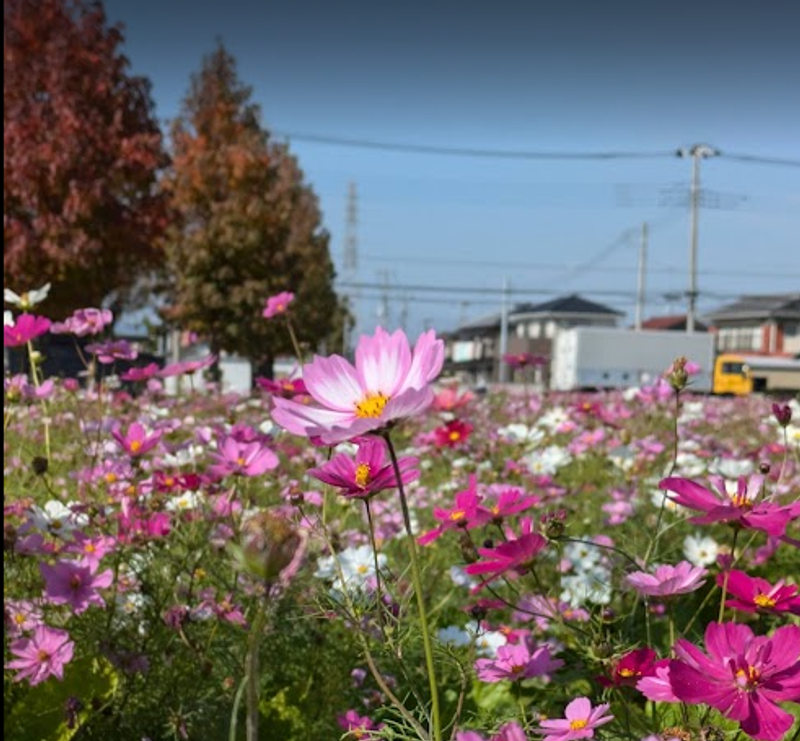
Today, Kanro is often associated with some of Japan's most recognizable autumn scenery. Cosmos flowers reach their peak in many regions. Tree leaves start to color. Autumn foods such as freshly harvested rice, sweet potatoes, chestnuts, and persimmons become widely available. Together, these seasonal flowers and foods make Kanro one of the most colorful and enjoyable periods of autumn in Japan.

Irish, Mom of 4, currently also living beside the In-Laws. 25+ years back and forth between Ireland and Japan! I also write on my personal website: insaitama.com

0 Comments