
Nov 12, 2026
When Ready-Made Beat Handmade
When the anniversary of Japan's adoption of Western Clothing comes around, it's easy to focus on Emperor Meiji and the government's push towards Western fashion. Yet for many ordinary Japanese people, the real reason Western clothing became dominant was far simpler: it fit modern life. Apart from being easier to wear, it was easier to make, sell, and replace.
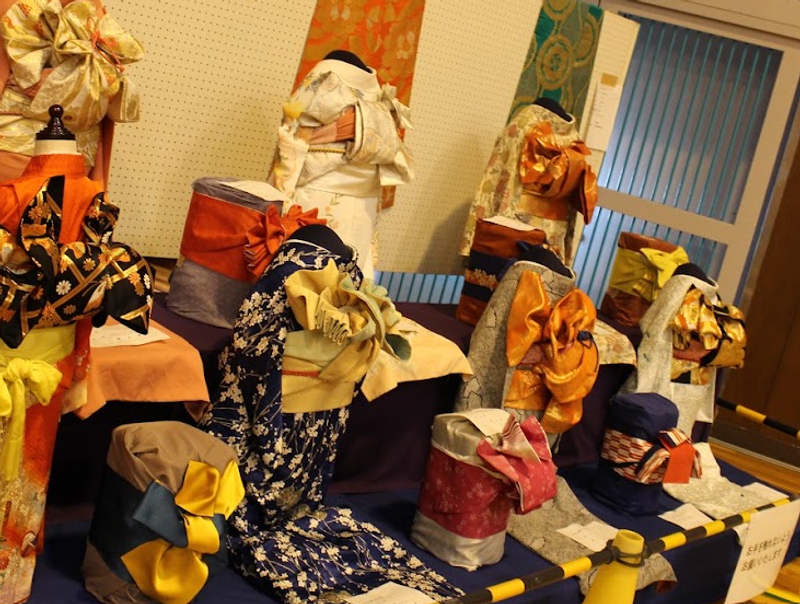
Traditional kimono are part of a much larger world of skilled craftsmanship, from weaving and dyeing to tailoring and maintenance. They are often custom-made and designed to last for years. Western clothing, meanwhile, benefited from mass production. Shirts, trousers, jackets, and dresses could be manufactured in standard sizes and sold ready-made, making them quicker and often more affordable to obtain. As Japan modernised, these advantages became increasingly important.
As Japan industrialised, Western clothing also suited changing lifestyles. Factory workers, office employees, and commuters needed practical garments that were easy to wear and replace. The years following World War II accelerated the trend, as ready-made fashions became increasingly common and accessible.
The kimono never disappeared. Instead, it gradually transformed from everyday clothing into attire for ceremonies, celebrations, and special occasions. In the end, Western clothing didn't replace the kimono because it was more fashionable. It won because, for a rapidly modernising society, it was often the more practical choice.

Irish, Mom of 4, currently also living beside the In-Laws. 25+ years back and forth between Ireland and Japan! I also write on my personal website: insaitama.com

0 Comments